Women's Pelvic Health Physiotherapy: Conditions we Treat
Pelvic health is about more than just muscles - it’s the foundation of comfort, confidence, and function in daily life. At Fit 2 Function Allied Health, we provide evidence-based physiotherapy for women of all ages, helping manage bladder leaks, pelvic pain, postpartum recovery, and other pelvic floor concerns.
This hub page explains what women’s pelvic health physiotherapy involves, the most common conditions we see, and how we can support your recovery.
Common Pelvic Health Conditions
Explore our library of guides on the conditions we frequently treat:

Urinary Incontinence
Leaks with coughing, sneezing, exercise, or urgency are common and treatable. Pelvic health physiotherapy focuses on improving pelvic floor coordination, bladder control, and confidence - not just strength alone.
Pelvic Organ Prolapse
A feeling of heaviness, pressure, or bulging can occur when pelvic organs lose support. Physiotherapy helps manage symptoms through targeted strengthening, load management, and education to support daily activity and exercise.
Pelvic Pain
Pelvic pain may occur during sex, periods, or everyday activities and can involve muscles, nerves, or sensitivity of the pelvic region. Gentle, evidence-based physiotherapy aims to reduce pain and restore comfortable movement.
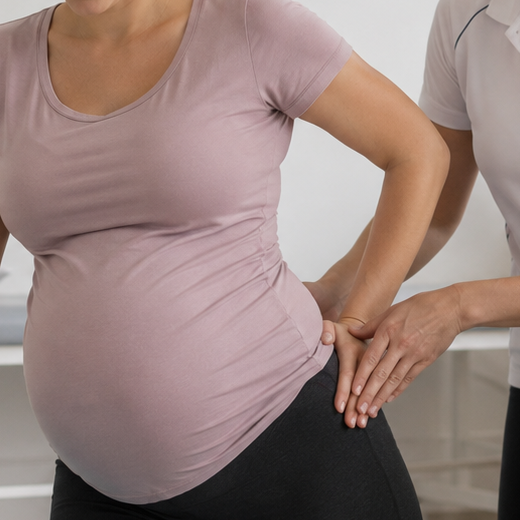
Pregnancy Physiotherapy
Pregnancy physiotherapy helps manage pregnancy-related pelvic girdle pain (PRPGP), back and hip pain, and prepares your body for labour and birth through education, movement strategies, and pelvic floor support.
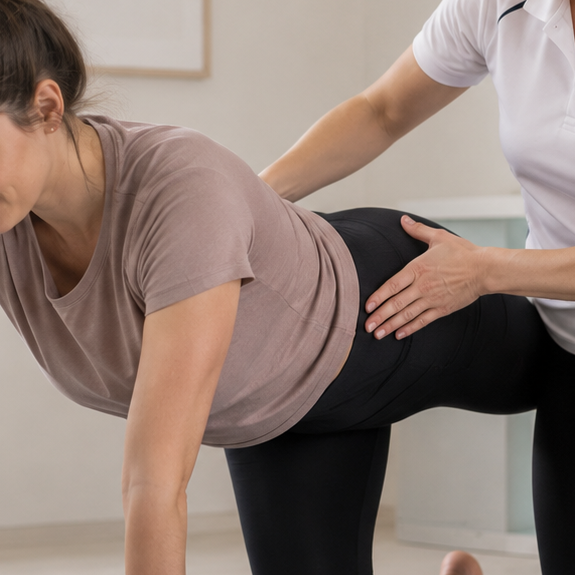
Postpartum Recovery
After pregnancy and birth, the pelvic floor and abdominal wall need time and guidance to recover. Physiotherapy supports safe return to exercise, manages symptoms like leaking or heaviness, and rebuilds strength and confidence.
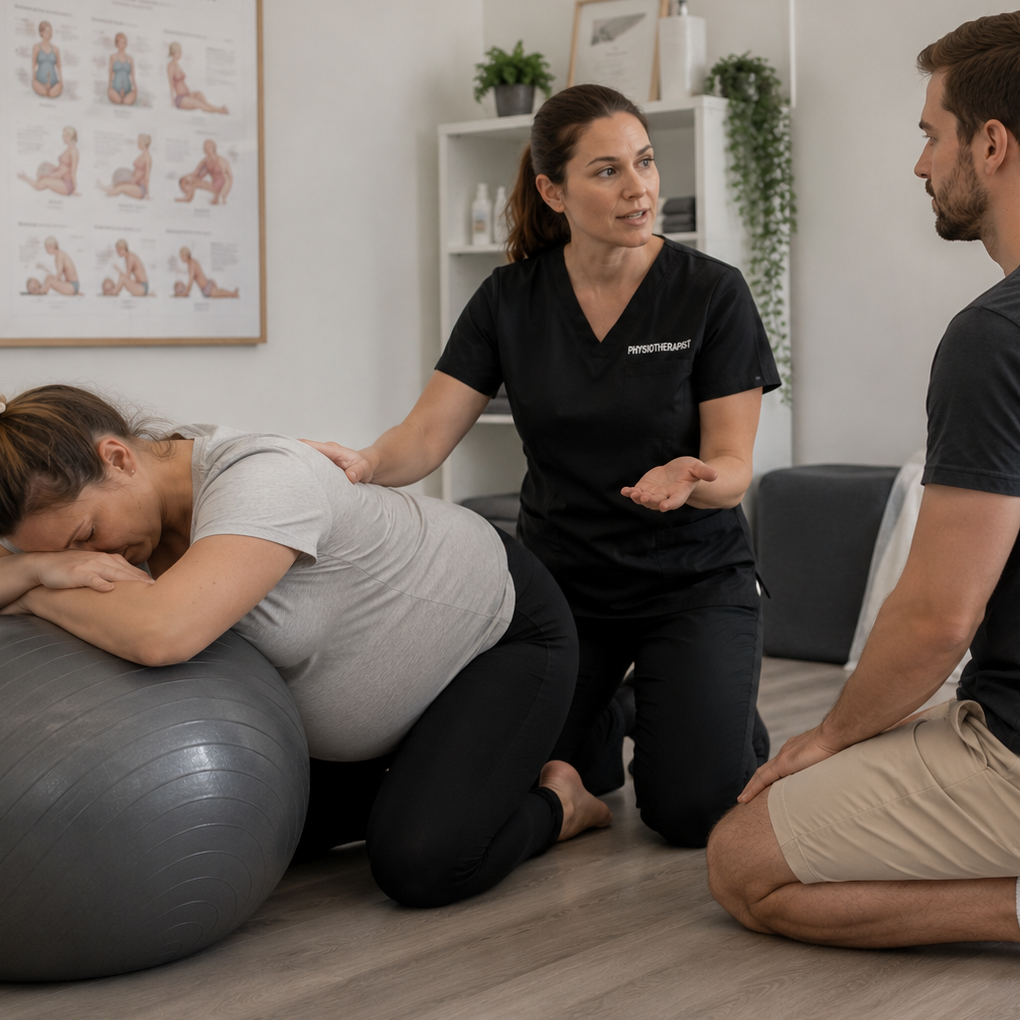
Birth Preparation
Prepare your body and pelvic floor for labour and birth with evidence-based physiotherapy. Birth preparation focuses on pelvic floor down-training, perineal massage, breathing strategies, learning how to push and positioning to support vaginal birth and reduce the risk of perineal trauma.
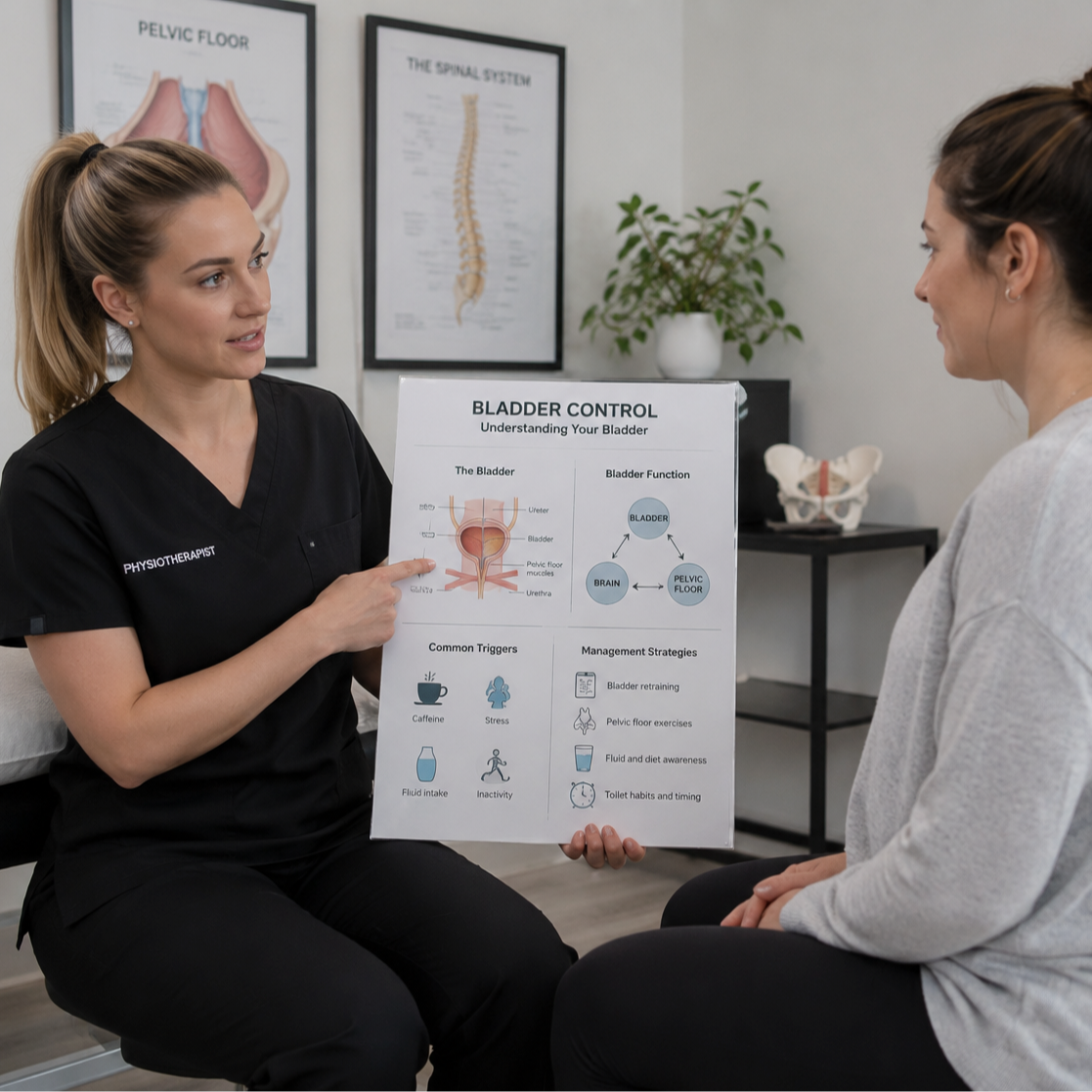
Overactive Bladder / Urgency
Frequent or sudden urges to urinate are often related to bladder signaling rather than weakness. Physiotherapy focuses on bladder retraining, pelvic floor coordination, and strategies to reduce urgency and night-time waking.
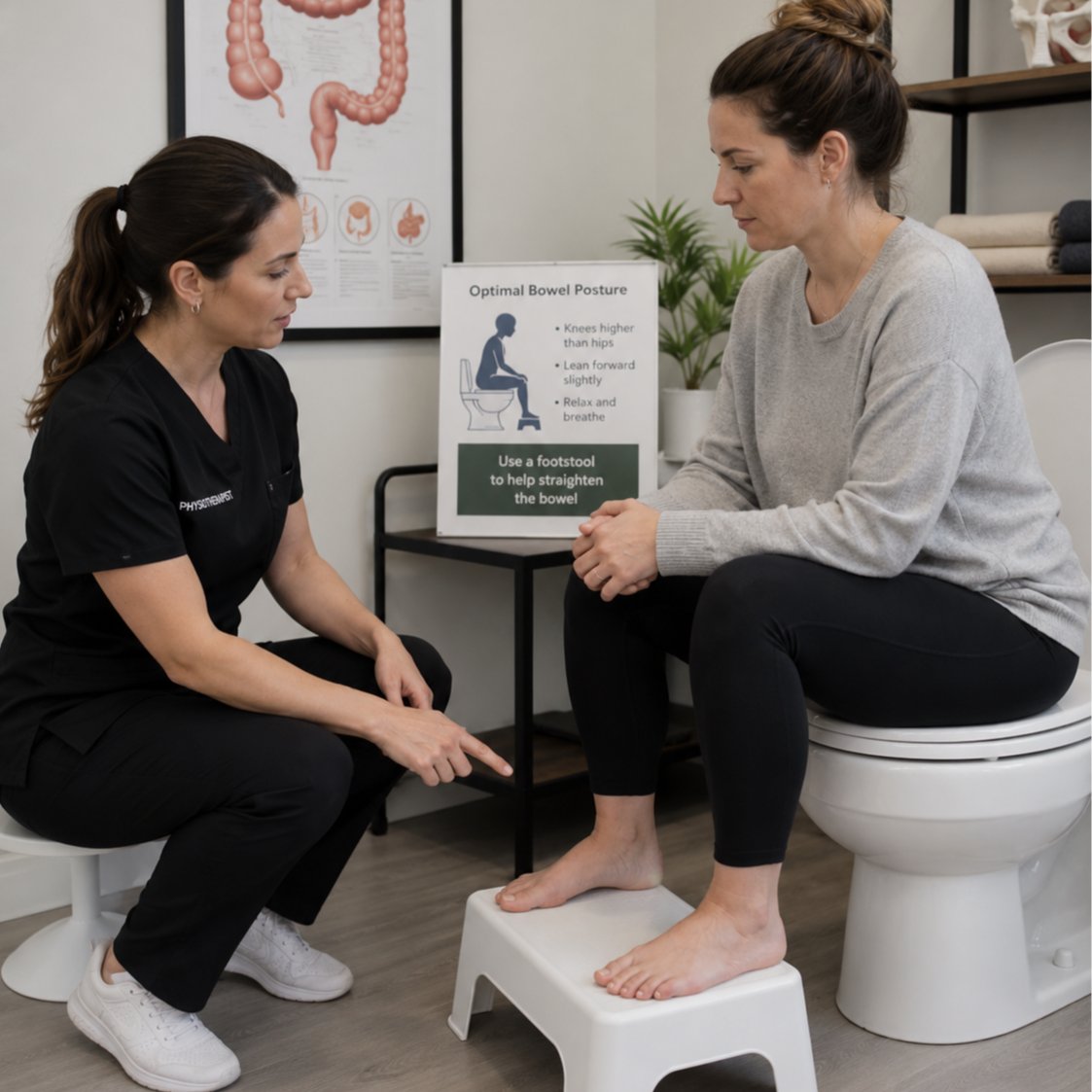
Constipation & Bowel Dysfunction
Difficulty emptying bowels or excessive straining may involve pelvic floor coordination. Pelvic health physiotherapy addresses relaxation, breathing, posture, and habits to support comfortable bowel function.
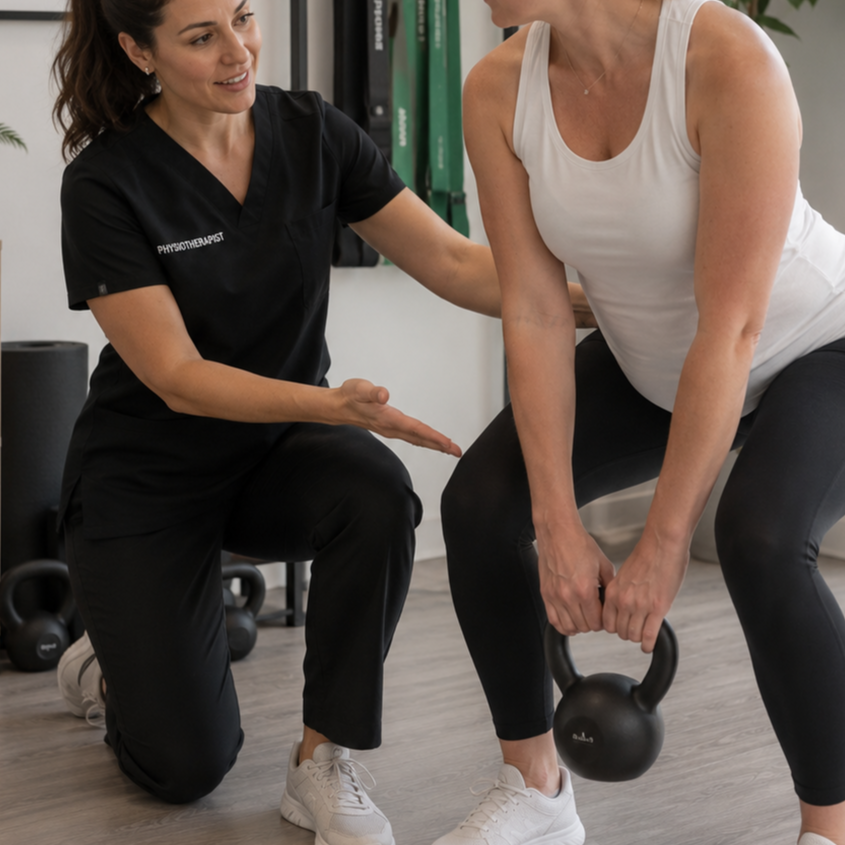
Women’s Strength Program
A physiotherapist-led strength program designed for women transitioning from pelvic health rehabilitation to confident, pain-free exercise. Ideal for managing prolapse, bladder symptoms, pelvic pain, navigating menopause and postnatal recovery while building strength, control, and confidence for everyday life and sport.
How Physiotherapy Can Help
Our specialist physiotherapists provide a gentle, personalized approach to restore pelvic floor strength, reduce pain, and improve quality of life. Key benefits include:
-
Targeted exercises to strengthen or relax pelvic floor muscles
-
Hands-on therapy for pain relief and tissue health
-
Bladder and bowel retraining for better control
-
Lifestyle guidance on diet, posture, and activity
-
Safe return to exercise, intimacy, and sport
All treatment is private, supportive, and tailored to your stage of life - from pregnancy to menopause.
Beyond rehabilitation
Many women benefit from progressing into our Women’s Strength Program, where pelvic floor-safe strength training supports long-term symptom control, strong bones, improved muscle mass and confident return to exercise.
Learn moreReady to Start Your Journey?
Book a Women’s Pelvic Health Assessment today. Our physiotherapists will listen to your story, assess your needs, and create a personalised plan to help you regain confidence and function.